For over a decade, Bitcoin has earned a reputation as the best-performing asset of the 21st century. But in 2025, with growing competition from AI stocks, high-yield cash accounts, and surging gold prices, investors are asking: Is Bitcoin still the king of returns?
This article breaks down Bitcoin’s current performance, compares it with traditional asset classes, and asks whether it remains the top growth asset — or if its crown is slipping.
Bitcoin’s Historic Outperformance: A Quick Recap
Bitcoin has outperformed virtually every major asset class over the past 10 years. Here’s why:
- Since 2015, Bitcoin has delivered an average annualized return of over 60%.
- It beat the S&P 500, Nasdaq, real estate, gold, and even high-growth tech stocks.
- It was the top-performing asset in 7 of the past 10 years, including during major financial uncertainty like the COVID-19 crisis.
But past performance doesn’t guarantee future dominance.
How Bitcoin Is Performing in 2025
As of mid-2025:
- Year-to-date (YTD) Bitcoin is up ~48%, rebounding from the late-2024 dip.
- Ethereum has slightly outpaced it (up ~55%) due to institutional DeFi expansion.
- Meanwhile:
- Gold is up ~12%, hitting new all-time highs.
- S&P 500 is up ~7–9% depending on tech exposure.
- Cash equivalents (like T-bills) are yielding 4–5%.
- Real estate is flat or down in many markets due to high rates.
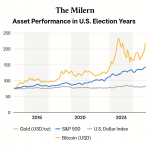
So yes — Bitcoin is still leading the pack in terms of performance in 2025. But the gap is narrowing.
What’s Fueling Bitcoin’s Growth This Year?
- Post-halving momentum: The April 2024 halving created another supply squeeze.
- Institutional demand: ETFs, retirement accounts, and sovereign funds are buying in.
- Geopolitical stress: Bitcoin is seen as a hedge in uncertain regions.
- Weakened dollar sentiment: Long-term inflation concerns still push investors toward non-fiat assets.
However, there are warning signs too…
What Could Threaten Bitcoin’s Status as the Top Performer?
While Bitcoin still leads in 2025, its dominance is no longer undisputed. Here are key challenges:
- Volatility Fatigue
- Bitcoin’s trademark price swings continue. In Q1 2025 alone, it dipped 22% before recovering.
- For many investors, the emotional toll of these swings outweighs the potential upside.
- Short-term traders may shift to less volatile assets like Ethereum ETFs or high-dividend stocks.
- Rising Competition
- AI stocks and semiconductors are stealing the spotlight with explosive earnings.
- Ethereum, Solana, and tokenized real-world assets (RWA) are attracting serious institutional capital.
- Bitcoin, though still dominant, is beginning to look “slow” by comparison.
- Regulatory Scrutiny
- The U.S., EU, and Asia continue tightening rules around crypto.
- While Bitcoin has weathered many storms, overregulation could dampen adoption in key regions.
- Environmental Backlash
- Although much of Bitcoin mining now uses renewable energy, ESG concerns haven’t vanished.
- Institutional investors still face pressure to avoid high-carbon assets.
- Monetary Shifts
- If central banks cut interest rates too quickly, equities and real estate may rally, pulling capital away from Bitcoin.
Bitcoin vs Other Assets in 2025 (So Far)
Here’s a rough snapshot of 2025 YTD performance (as of July):
| Asset Class | YTD Return (Approx.) |
| Bitcoin | +48% |
| Ethereum | +55% |
| Gold | +12% |
| S&P 500 | +8% |
| Nasdaq 100 | +11% |
| U.S. Treasury Bills | +4.5% (annualized) |
| Real Estate (REITs) | –2% to +1% |
Note: Figures are estimates and subject to rapid change in market conditions.
This chart shows that crypto continues to outperform, but it’s no longer the only game in town.
Should You Still Invest in Bitcoin in 2025?
Despite challenges, Bitcoin remains a compelling asset for certain investors in 2025—especially those seeking:
- Inflation Protection
- Even as inflation rates cool globally, the fear of long-term currency debasement persists.
- Bitcoin’s fixed supply makes it attractive for those skeptical of fiat systems.
- Geopolitical Hedging
- From tensions in Taiwan to ongoing instability in Eastern Europe and the Middle East, Bitcoin continues to serve as a “digital escape hatch” in regions where financial systems are unstable.
- Long-Term Growth Potential
- Institutional adoption is still in early stages.
- Pension funds and sovereign wealth funds are beginning to explore small Bitcoin allocations.
- If adoption grows steadily, upside remains—even from current levels.
- Tech-Driven Investors
- Millennials and Gen Z investors are more comfortable with digital assets.
- For them, Bitcoin is often a “first stop” before exploring broader DeFi or AI sectors.
- Portfolio Diversification
- Bitcoin’s uncorrelated nature (in the long term) makes it a useful satellite position alongside stocks, bonds, and gold.
However, it’s not for everyone. If you need:
- Stability: Bitcoin is still volatile.
- Income: Bitcoin pays no dividend or yield.
- Near-Term Liquidity: Short-term price drops could force you to sell at a loss.
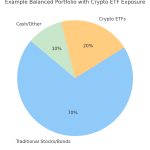
A sensible approach in 2025 is modest allocation (1–5%) within a diversified portfolio, with rebalancing and a long-term mindset.
Key Developments Shaping Bitcoin in 2025
Several major trends are influencing how investors view Bitcoin in 2025. Understanding these will help you decide whether it still has a place in your portfolio.
1. The Post-Halving Landscape
- Bitcoin’s last halving occurred in April 2024, cutting block rewards from 6.25 BTC to 3.125 BTC.
- Historically, halvings have preceded major bull runs within 12–18 months.
- 2025 could be the year this pattern either repeats—or breaks.
- So far, price action has been mixed, with strong rallies followed by sharp corrections. This signals increased institutional influence and macro-driven volatility.
2. Bitcoin ETFs Are Here—Now What?
- With multiple spot Bitcoin ETFs approved in 2024, billions have flowed into regulated products by 2025.
- This provides easier access for retirement investors, RIAs, and institutions wary of direct custody.
- However, ETFs also introduce centralization concerns—BlackRock and Fidelity now collectively manage a large portion of ETF-based BTC.
- Investors must weigh convenience against ideological purity and control.
3. Central Bank Digital Currencies (CBDCs) on the Rise
- Over 100 countries are piloting or rolling out CBDCs.
- While CBDCs are not cryptocurrencies in the decentralized sense, they are often misunderstood by the public.
- This confusion has ironically sparked more interest in Bitcoin—as a censorship-resistant alternative to state-controlled digital money.
- In authoritarian regimes, Bitcoin remains a financial lifeline.
4. Layer 2 Adoption and Scaling
- Bitcoin’s base layer is slow and expensive. But solutions like the Lightning Network have gained traction in 2025.
- Lightning now facilitates near-instant, cheap transactions—making BTC viable for small payments and remittances.
- While still niche, this development strengthens Bitcoin’s long-term utility and adoption case.
5. Macro Headwinds and Tailwinds
- The Fed is walking a tightrope between inflation and recession.
- Rising global debt levels and weakening fiat currencies make the Bitcoin scarcity narrative stronger.
- On the other hand, risk-off environments still hit crypto hard. Bitcoin often drops alongside tech stocks during panics.
How to Approach Bitcoin Investing in 2025
Bitcoin isn’t just a “buy and hope” asset—especially in 2025’s volatile macro environment. Whether you’re a long-term holder, a cautious retiree, or a first-time investor, here’s how to build a smarter approach to Bitcoin this year:
1. Know Your Strategy: Are You Trading or Investing?
- Investors treat Bitcoin as a long-term store of value—similar to digital gold. They buy, hold, and ignore short-term noise.
- Traders try to profit from volatility—short-term price moves based on technicals or news.
- The distinction is crucial. If you’re investing, don’t check the price every day. If you’re trading, have a clear risk management plan and stop-loss strategy.
2. Position Size Matters More Than You Think
- Bitcoin can drop 40–60% in a matter of weeks.
- That’s why most conservative investors keep BTC to 1–5% of their total portfolio.
- Even small allocations can boost portfolio performance while minimizing risk.
- If you’re highly risk-tolerant, up to 10–15% may be acceptable, but only if you understand what you’re doing.
3. Use Dollar-Cost Averaging (DCA)
- In 2025, timing the market is harder than ever due to ETFs, global events, and central bank actions.
- Dollar-cost averaging—buying a fixed amount every week or month—smooths out volatility and removes emotion from your buying decisions.
- Historical data shows DCA into Bitcoin has consistently beaten most lump-sum entries, especially around tops.
4. Don’t Ignore Custody Decisions
- With ETF options and self-custody wallets both available, you need to choose your method:
- ETFs: Easy, regulated, ideal for IRAs and brokerage accounts.
- Self-Custody: Private wallets give full control, but require technical knowledge and responsibility.
- Some users split their holdings—keeping long-term cold storage separate from active ETF exposure.
5. Set a Rebalancing Plan
- If Bitcoin rallies, it could become an outsized part of your portfolio.
- Rebalancing—trimming back to your target allocation—locks in gains and maintains portfolio balance.
- Rebalancing once or twice a year is sufficient for most.
Common Mistakes to Avoid When Investing in Bitcoin in 2025
Even seasoned investors can make poor decisions when it comes to Bitcoin, especially during hype cycles or sharp corrections. Here are the biggest mistakes to watch out for in 2025:
❌ Chasing Price After a Rally
- One of the most common errors is buying in after Bitcoin has already surged 30–50%, expecting it to go even higher.
- Fear of missing out (FOMO) leads to poor entry points and higher emotional attachment to price.
- Instead, buy during consolidation phases or use DCA to reduce timing risks.
❌ Selling on Panic
- Bitcoin frequently drops 20–30% in short timeframes—even in bull markets.
- Many new investors panic-sell at the worst possible moment, locking in unnecessary losses.
- Stick to your thesis. Volatility is the price of long-term outperformance.
❌ Allocating Too Much
- Bitcoin is volatile, and overexposure can derail your broader financial goals.
- Keeping your allocation to 1–5% (or up to 10% for risk-tolerant investors) ensures downside won’t ruin your portfolio.
❌ Ignoring Fees and Taxes
- In the U.S. and many other countries, crypto is taxed like property—each sale is a taxable event.
- Actively trading Bitcoin without tracking cost basis can lead to a massive tax bill.
- ETFs and retirement accounts (like Roth IRAs) can simplify this issue.
❌ Falling for Scams and Overhyped Coins
- Just because it’s 2025 doesn’t mean crypto is safe from fraud.
- Avoid unverified platforms, coins promoted by influencers, or promises of “guaranteed” returns.
- Stick to major assets (BTC, ETH), trusted exchanges, and secure wallets.
Final Thoughts: Bitcoin in 2025—Opportunity, but Only with a Plan
Bitcoin remains one of the most powerful—and unpredictable—investment tools available today. Its potential to outperform traditional assets over the long term is unmatched, but that upside comes with steep volatility, emotional stress, and regulatory uncertainty.
In 2025, Bitcoin is no longer a fringe asset—it’s on the balance sheets of corporations, embedded in retirement accounts, and tracked by central banks and hedge funds alike. But that doesn’t mean it’s suitable for everyone.
The key is discipline, strategy, and patience:
- Invest only what you’re prepared to hold through downturns.
- Avoid hype-driven buying and panic-driven selling.
- Use tools like dollar-cost averaging, diversified portfolios, and crypto-friendly tax accounts to manage your exposure.
For long-term investors with a strong stomach and a clear thesis, Bitcoin still holds tremendous potential. But it’s not magic—it’s just another asset, with its own cycles, behavior, and risks.
Know what you own, why you own it, and how it fits into your broader financial plan. That’s the smartest way to navigate Bitcoin in 2025—and beyond.