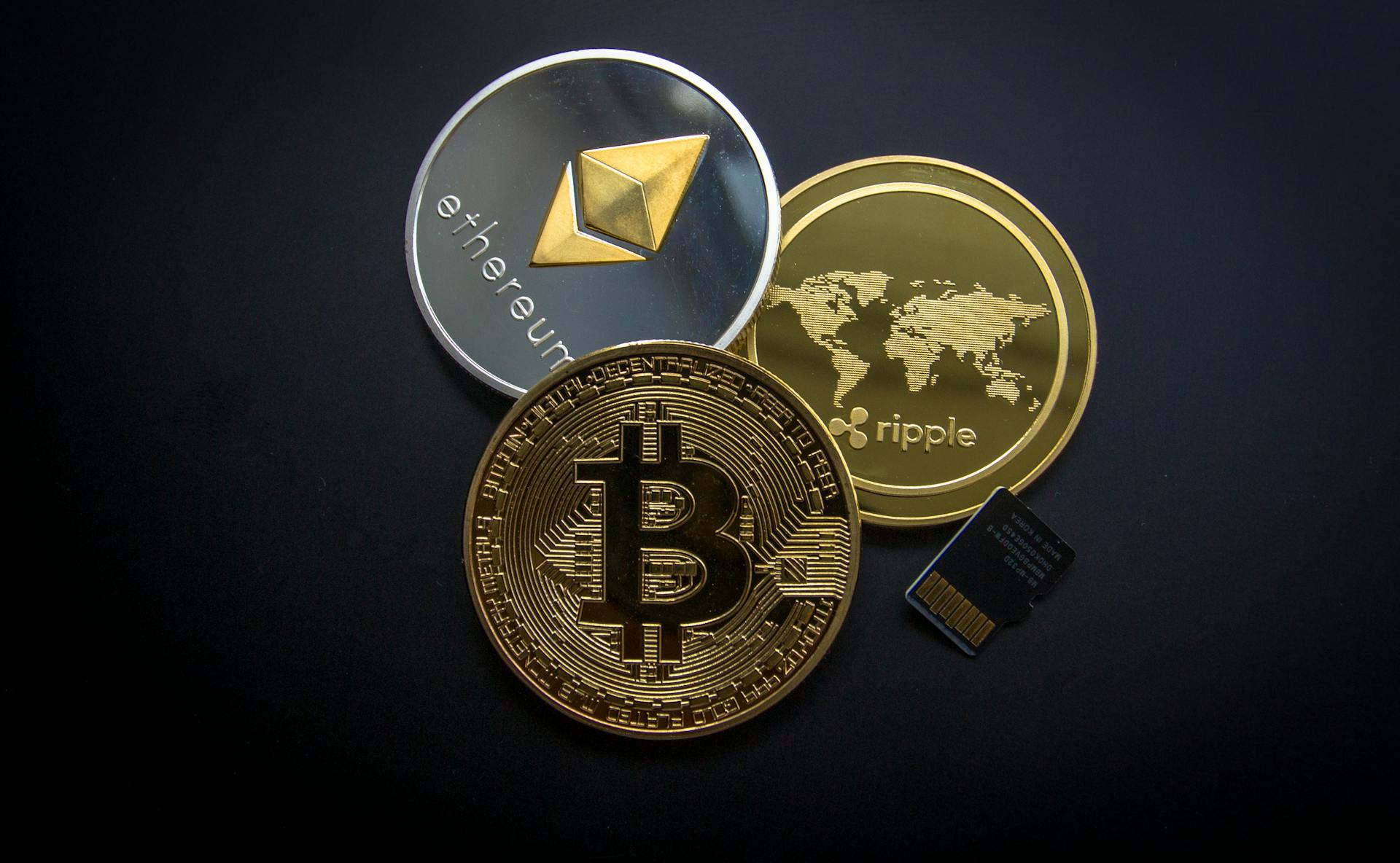
As the crypto market matures and Bitcoin continues to dominate headlines, many investors are asking: What about the other major coins? Ethereum, Solana, Litecoin, and XRP all have strong communities, distinct use cases, and growing ecosystems — but which ones are actually worth holding in 2025–2026?
In this article, we’ll compare these four top altcoins based on performance, technology, adoption, and future potential. Whether you’re a long-term investor or a short-term trader, this breakdown will help you understand where each of these coins stands — and how they may shape the next crypto cycle.
Ethereum (ETH): The King of Smart Contracts
Current Status:
Ethereum remains the largest altcoin by market cap and is second only to Bitcoin overall. It powers most decentralized applications (dApps), decentralized finance (DeFi), and non-fungible tokens (NFTs). With the 2022 Merge and upcoming scaling upgrades, Ethereum is shifting toward greater efficiency and scalability.
Strengths:
- Largest developer ecosystem in crypto
- Institutional adoption via ETFs and ETH staking products
- Poised for Layer 2 expansion (Arbitrum, Optimism, etc.)
- Real-world adoption via DeFi, NFTs, and enterprise apps
Weaknesses:
- Still struggles with high fees during network congestion
- Faces growing competition from faster chains like Solana
- Regulatory questions about ETH staking still unresolved in some regions
Outlook for 2025–2026:
Ethereum is a long-term play. While short-term volatility remains, its network effects are massive. As more Layer 2s and rollups reduce costs, ETH could regain momentum as the backbone of decentralized apps — especially if regulations stabilize.
Solana (SOL): The Speed Champion
Current Status:
Once written off after major outages and the collapse of FTX, Solana has come roaring back in 2024–2025. Known for its blazing-fast transactions and low fees, it’s become a favorite among developers looking for speed and scale.
Strengths:
- Extremely fast (65,000+ TPS) and low cost
- Strong NFT and gaming ecosystems
- Big brands (like Visa) experimenting with Solana rails
- Vibrant dev community rebuilding post-crisis
Weaknesses:
- History of outages damaged trust
- Perception of centralization due to fewer nodes
- Not EVM-compatible, meaning harder for Ethereum dApps to migrate
Outlook for 2025–2026:
Solana is one of the most impressive comeback stories in crypto. If it avoids further technical mishaps, SOL could become a major institutional and retail platform for scalable apps — especially in payments and gaming. High risk, high reward.
Litecoin (LTC): The Veteran Workhorse
Current Status:
Launched in 2011, Litecoin is one of the oldest cryptocurrencies still in operation. Marketed as the “silver to Bitcoin’s gold,” it offers faster block times and lower fees. While it’s not a smart contract platform, LTC remains popular for peer-to-peer payments and exchange liquidity.
Strengths:
- Long track record of stability and security
- Widely supported across exchanges and wallets
- Faster and cheaper than Bitcoin for basic transfers
- Recently added MimbleWimble privacy features (on opt-in basis)
Weaknesses:
- Limited development activity compared to newer blockchains
- Lacks native DeFi/NFT support
- Little innovation beyond original use case
Outlook for 2025–2026:
Litecoin remains relevant primarily for simple transactions and as a Bitcoin alternative for exchanges. It likely won’t lead the next bull run, but its longevity and trust make it a low-risk, low-growth asset for conservative holders or those valuing liquidity.
XRP (Ripple): The Enterprise Payment Player
Current Status:
XRP has long targeted cross-border payments and institutional finance through Ripple Labs. Its regulatory battle with the U.S. SEC dominated headlines for years — but with a partial victory in 2023, it regained some momentum.
Strengths:
- Instant settlement and low transaction fees
- RippleNet adoption by banks and remittance companies globally
- Legally classified as not a security in some jurisdictions
- Solid community support and real-world utility
Weaknesses:
- Centralized supply (Ripple holds large share)
- Regulatory headwinds persist, especially in the U.S.
- Competition from stablecoins and CBDCs for cross-border payments
Outlook for 2025–2026:
If Ripple continues expanding internationally and can stay ahead of stablecoin regulation, XRP might carve out a unique niche in financial plumbing. However, adoption hinges heavily on regulatory clarity and enterprise demand.
Performance Snapshot (2020–2024 Returns):
| Asset | 2020 Price | 2024 Price | Approx. Return |
| Ethereum | ~$130 | ~$3,300 | ~2400% |
| Solana | ~$1.50 | ~$140 | ~9200% |
| Litecoin | ~$40 | ~$70 | ~75% |
| XRP | ~$0.20 | ~$0.65 | ~225% |
Note: These are approximate values and depend on snapshot dates and exchange prices.
Strategic Comparison: Which Coin Fits Your Portfolio?
| Feature / Asset | Bitcoin (BTC) | Ethereum (ETH) | Solana (SOL) | Litecoin (LTC) | XRP (Ripple) |
| Use Case | Store of value | Smart contracts, DeFi, NFTs | Fast DeFi, NFTs, scalability | Payments & P2P transfers | Institutional cross-border |
| Security Model | Proof of Work (PoW) | Proof of Stake (PoS) | Proof of Stake (PoS) | Proof of Work (PoW) | Federated Consensus |
| Adoption | Highest, global | Rapid institutional & retail | Developer-friendly, fast | Legacy, moderate | Institutional focus |
| Regulatory Risk | Low | Moderate (SEC scrutiny) | Moderate | Low | High (esp. in U.S.) |
| Volatility | High | Very high | Extreme | Medium | High |
| Risk Level | Medium | Medium–High | High | Low–Medium | Medium–High |
| Innovation | Slow, deliberate | Rapid development | High innovation | Slow | Moderate |
Key Takeaways for 2025–2026 Investors
- For Long-Term Stability: Bitcoin remains the go-to choice. It’s slow-moving but deeply trusted. Ethereum is second-best for those comfortable with more tech exposure.
- For High Growth Potential: Solana is still a high-risk/high-reward bet. It’s gained developer traction and usage, but previous outages and centralization concerns remain.
- For Conservative Crypto Exposure: Litecoin’s reputation and simplicity make it a good secondary coin for low-risk investors or those interested in payment-specific crypto.
- For Institutional Exposure: XRP may appeal to those betting on future financial infrastructure adoption, but carries elevated legal risks.
Now, let’s focus on how to build a smart allocation strategy across these assets in 2025–2026.
How to Build a Balanced Crypto Allocation in 2025–2026
As crypto matures, investors are no longer asking if they should invest — but how much, where, and why. Here’s how to think about balancing your portfolio based on current trends.
1. Core + Satellite Approach
The most effective crypto portfolios often use a Core + Satellite framework:
- Core Holdings (70–85%): Bitcoin and Ethereum
These serve as your foundation. BTC for long-term store-of-value, ETH for innovation and smart contract exposure. - Satellite Positions (15–30%): Solana, XRP, Litecoin
These are your growth, speculative, or strategic bets. They may outperform in specific cycles but carry higher risks.
2. Risk Tolerance Breakdown
| Risk Tolerance | Suggested Crypto Mix (Example) |
| Conservative | 70% BTC, 20% ETH, 10% LTC |
| Balanced | 50% BTC, 30% ETH, 10% XRP, 10% SOL |
| Aggressive | 40% BTC, 25% ETH, 20% SOL, 10% XRP, 5% LTC |
If you’re closer to retirement or need liquidity soon, tilt more toward BTC/ETH. If you’re younger or comfortable with risk, tilt more toward SOL/XRP.
3. Rebalance Quarterly
Crypto cycles can move fast. What starts as a 10% allocation to Solana can become 30% after a bull run. Rebalancing helps lock in gains and prevent overexposure to any one coin.
4. Monitor Use Cases
Don’t just follow price action — follow development activity, adoption, regulation, and ecosystem growth:
- Is Ethereum maintaining DeFi dominance?
- Are Solana’s outages reduced?
- Is Ripple’s legal clarity improving?
- Is Litecoin still seeing network usage?
Data-driven investing is your best defense against hype.
5. Exit Strategy Matters
Each crypto may perform differently in bull or bear cycles. Plan ahead:
- Will you convert back to fiat?
- Will you hold long-term?
- Will you use stablecoins or gold as exit hedges?
Have a strategy before markets get turbulent.
Great — let’s continue with a forward-looking analysis of how these cryptocurrencies might evolve over the next few years, helping readers make informed decisions.
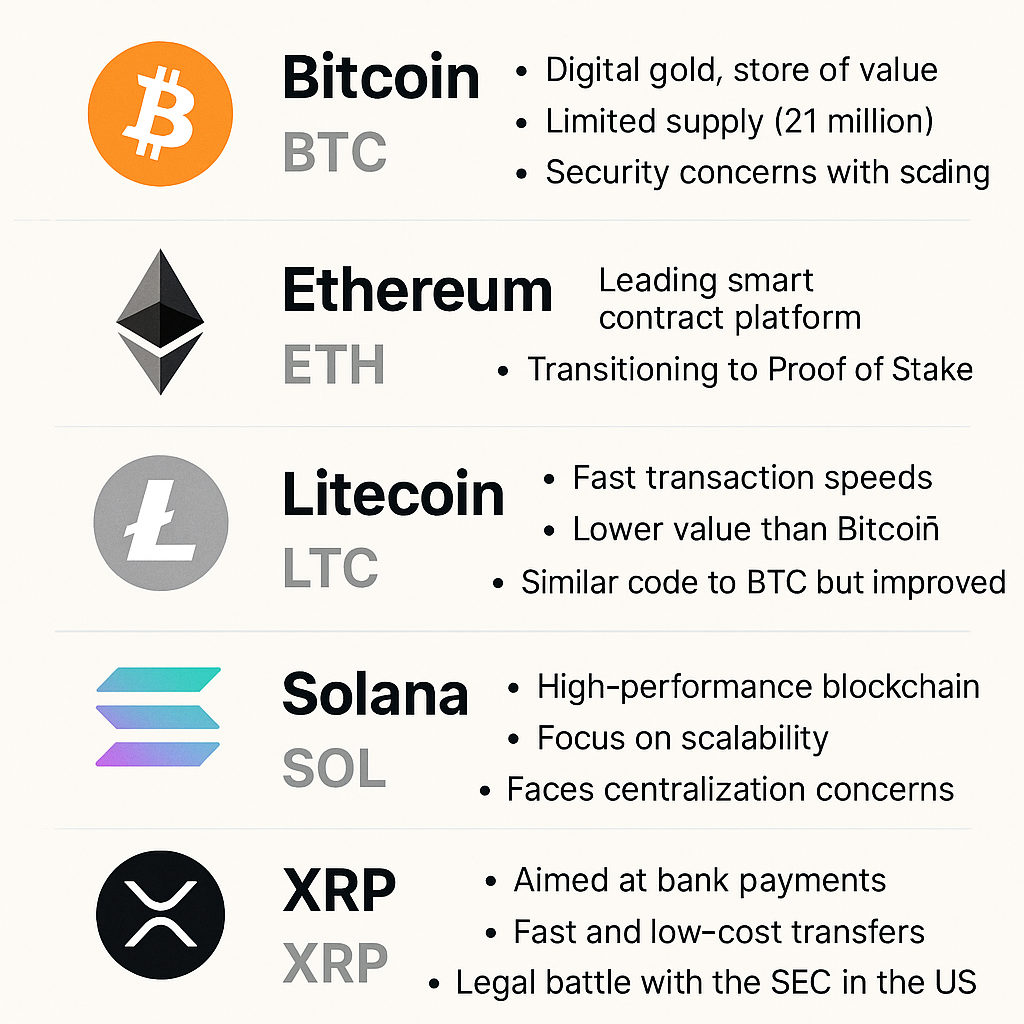
Future Outlook: Where Are Bitcoin, Ethereum, and the Top Altcoins Headed?
Bitcoin: Still King, but Facing Macro Tests
Bitcoin remains the most established cryptocurrency, with increasing institutional backing and a fixed supply that appeals to those hedging inflation. Its role as a “digital gold” may continue strengthening, especially if global tensions or fiat instability rise.
What to watch:
- Spot ETF flows in the U.S. and globally
- Regulatory shifts (e.g. stablecoin integration or taxation changes)
- Correlation to stock markets and macro cycles
- Adoption in developing nations as reserve asset or remittance tool
Verdict: Slow and steady — likely less explosive than altcoins, but remains the bedrock of a long-term crypto strategy.
Ethereum: The Internet of Value?
Ethereum is evolving into an entire operating system for decentralized finance (DeFi), NFTs, tokenization, and smart contracts. With the transition to proof-of-stake and the rollout of layer-2 solutions (like Optimism and Arbitrum), ETH may see scalable growth.
What to watch:
- Ethereum’s dominance in total value locked (TVL) across DeFi
- Network fees (gas) and L2 migration success
- Institutional adoption of Ethereum for tokenization platforms (like BlackRock’s experiments)
- Competition from Solana, Avalanche, and newer chains
Verdict: Potentially higher upside than BTC, especially in a tech-heavy bull cycle. More complex, but full of utility.
Solana: The Performance Contender
Solana has rapidly gained traction for its speed and low transaction costs. Despite past network outages, it has rebounded with strength in NFTs and DePIN (decentralized physical infrastructure) like Helium and Render.
What to watch:
- Network stability improvements
- NFT and gaming adoption
- Ecosystem development and VC funding
- Institutional trust post-FTX exposure
Verdict: A high-performance blockchain with speculative growth potential — but still volatile and less battle-tested than BTC/ETH.
XRP: Cross-Border Transaction Leader?
Ripple’s XRP aims to become a global settlement layer for banks and remittances. Its long legal battle with the SEC has partly resolved, boosting confidence among investors.
What to watch:
- International adoption of RippleNet and ODL (On-Demand Liquidity)
- Further SEC regulatory outcomes
- Market share in cross-border finance vs. competitors like Stellar
Verdict: Promising for utility and clarity — but faces ongoing legal uncertainty and centralization criticisms.
Litecoin: The Quiet Workhorse
Litecoin doesn’t dominate headlines, but it has maintained high uptime, low fees, and good security for over a decade. Its similarity to Bitcoin and recent MimbleWimble privacy features make it interesting for long-term holders.
What to watch:
- Real-world usage for payments (especially in developing markets)
- Status as a testing ground for Bitcoin upgrades
- Continued relevance as “silver to Bitcoin’s gold”
Verdict: Not flashy — but still functioning and respected. May lag in explosive growth but could shine in utility-based use.
Final Thoughts
There’s no single “best” cryptocurrency in 2025–2026 — it depends on your goals.
- Want a store of value? Stick with Bitcoin.
- Want exposure to next-gen internet apps? Consider Ethereum and Solana.
- Looking for simple, stable crypto exposure? Litecoin may still serve a purpose.
- Betting on banking infrastructure disruption? XRP may have its moment — with caution.
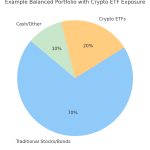
A diversified crypto portfolio might blend 50–60% BTC, 20–30% ETH, and 10–20% high-risk altcoins like SOL or XRP — but every investor should tailor this based on their risk appetite and conviction.
Cryptocurrency is volatile, experimental, and still evolving — but for informed investors, it offers an array of opportunities that traditional assets often lack.